Local Economy, Enterprise and Employment
Building a strong, diverse and resilient local economy is essential to the future of North West Scotland.
Opportunities for a Stronger Local Economy
The North West’s natural environment, resources and communities offer significant opportunities to develop a more diverse and sustainable economy, creating jobs, supporting local enterprise and retaining wealth in our communities.
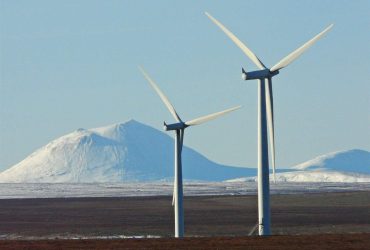
Renewable Energy
Opportunities for renewable energy development could support local employment and deliver long-term benefits for communities.
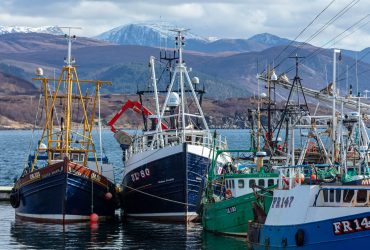
Sustainable Food and Marine Industries
Crofting, fishing, aquaculture and emerging marine industries offer opportunities to develop local production and create new businesses.
Nature Restoration
Nature restoration projects offer opportunities to improve our environment while supporting employment and economic activity.

Remote Working and Digital Enterprise
The growing potential for remote working and digital businesses offers opportunities for people to build careers locally.
Community Enterprise in Action
A joint seaweed farming proposal developed by community development organisations in Kinlochbervie, Assynt and Scourie is an excellent example of local enterprise in action.
Now formalised as Sutherland Community Seaweed CIC, the initiative aims to develop a community-led enterprise with the potential to create employment and retain economic benefits locally.
Research by BiGGAR Economics has identified further opportunities across renewable energy, sustainable food production, marine industries, nature restoration and remote working.
The Challenges Facing Our Local Economy
The North West economy is currently concentrated in a relatively small number of sectors.
Accommodation and food services account for 24% of local jobs, agriculture for 22%, and construction for 12%.
While these industries are important, many jobs are seasonal or relatively low paid, leaving communities vulnerable to changes in visitor numbers, market conditions and wider economic pressures.
Between 2017 and 2022, total Gross Value Added (GVA) across the NW2045 area increased by just 2.7%, compared with 15.5% growth across the Highland and Scottish economies.
Some communities have experienced economic growth while others have seen significant contractions.
24%
Accommodation and food services of local jobs
54%
Crofting households At least 54% of the local population live in crofting households
22%
Agriculture of local jobs
2.7%
Economic growth GVA growth in the NW2045 area (2017–2022), compared with 15.5% across Highland and Scotland
12%
Construction of local jobs
The Importance of Crofting and Local Livelihoods
For many people in the North West, earning a living means combining income from several activities, including crofting, tourism, fishing, aquaculture, construction, estate work, self-employment and remote working.
Crofting plays a particularly important role in sustaining communities. At least 54% of the local population live in crofting households, and the crofting population has grown by around 3% since 2016, even while the wider population has declined.
Beyond its economic contribution, crofting helps sustain rural settlement, maintain connections to the land and support the long-term vitality of communities.
Tourism: Opportunities and Pressures
Tourism is another major contributor to the North West economy. Employment in the sector has grown by 43.4% since 2011, significantly exceeding growth across Highland and Scotland as a whole.
The introduction of the North Coast 500 in 2015 has helped attract visitors, increase economic activity and create opportunities for local businesses.
However, increased visitor numbers have also placed pressures on roads, infrastructure and communities. The seasonal nature of tourism employment and the vulnerability of the sector to external events, such as the pandemic, highlight the need for a more diverse economic base.
Local Economy and the NW2045 Community-Led Vision
A thriving, diverse local economy is central to achieving the NW2045 Community-Led Vision.
Supporting enterprise, developing new industries and creating meaningful employment opportunities will help communities retain population, attract new residents and build a more sustainable future.