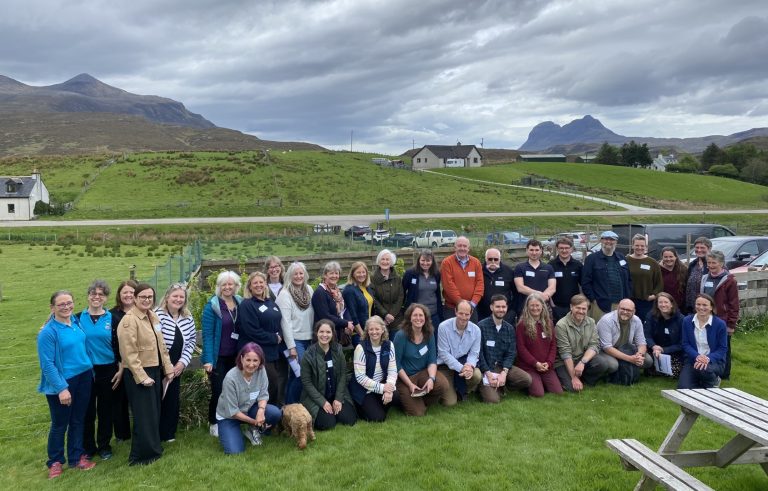
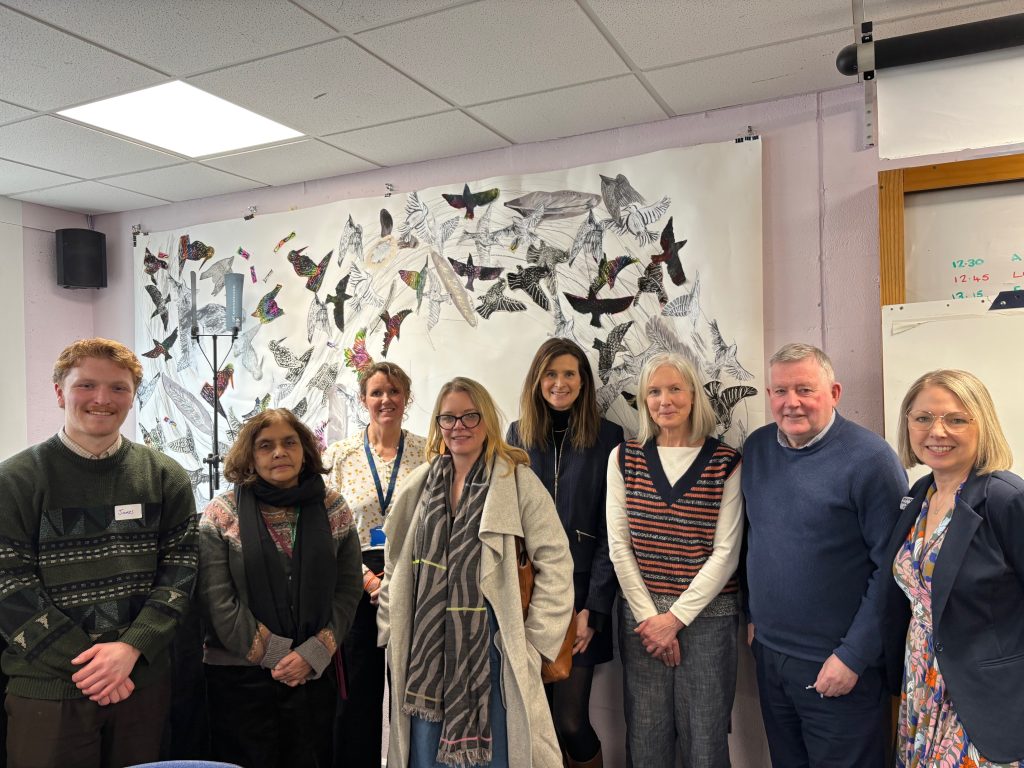
A major national roundtable held in Ullapool has brought renewed attention to the urgent challenges facing childcare provision across Scotland’s rural and island communities.
The event marked the first time such a wide range of organisations, including the Scottish Government, local authorities, enterprise agencies, and community groups, have come together to address the specific barriers affecting families in remote areas. The discussion builds on earlier research, including the Highlands and Islands childcare evidence work led by the Care and Learning Alliance and partners.
Representatives from communities such as Tiree, Barra, Dunvegan, Lochinver, Ullapool and Shetland shared real-life experiences, highlighting consistent issues across regions. These included a lack of childcare for younger children, limited or no school-age provision, and ongoing shortages of childminders.
For many families, these gaps create difficult choices, restricting employment opportunities, limiting working hours, and, in some cases, forcing people to leave their communities altogether. The long-term impact on population and local economies was a central concern throughout the discussions.
Participants explored practical solutions, with a strong emphasis on flexibility. Key themes included improving transport links, supporting recruitment and retention in the childcare workforce, and adapting regulations to better reflect rural realities. There was also discussion around allowing childcare provision in non-traditional settings where appropriate.
A shared view emerged that accessible childcare is essential infrastructure for thriving rural communities, supporting families, enabling employment, and helping to sustain population levels.
Marianne Hutchison, representing NW2045, highlighted the connection between childcare and depopulation, noting that while the challenges are clear, there is growing momentum around practical, community-led solutions.
Additional voices from community trusts and organisations reinforced the importance of long-term thinking, ensuring children have access to enriching experiences, while enabling parents to pursue sustainable employment.
Transport was also identified as a critical factor. In rural areas, access to reliable and affordable travel can directly influence whether childcare, and therefore work, is possible.
NW2045’s Role
The NW2045 partnership has played an important role in bringing attention to these issues and helping drive collaboration.
As part of this wider effort:
“The NW2045 are working collaboratively with communities, parents, Highland Council, the Care and Learning Alliance and Highlands and Islands Enterprise to find solutions that work for each of the villages across the NW2045 area.”
A Turning Point for Policy
The roundtable comes at a significant time, with the upcoming Scottish Parliament elections and a new National Islands Plan in development. There is increasing recognition that a one-size-fits-all approach to childcare does not work for rural Scotland.
A full report outlining outcomes and next steps is expected, with partners committed to continuing the work and pushing for meaningful change.
Rather than a conclusion, the Ullapool meeting represents the beginning of a coordinated effort to improve childcare access, grounded in evidence and shaped by the needs of rural communities.